


Ahhhh, the creative brief. Perhaps one of the most underused and misunderstood products I’ve been exposed to in my career. Much loved. Much maligned.
Let me make the case for why you should use a creative brief every single time you need to launch a new campaign, no matter how small:
It gives your creative team clarity on what they need to produce.
It demands specificity, which means it forces you to think through scope of work.
It clarifies your thinking
And it gives your creative team a stronger chance of producing what you need on the first blush.
If you hate the back-and-forth with creatives, frustrated that they never seem to quite get what you’re looking for, then you need to get better at writing a creative brief.
The mistake too many of us make?
We flip a couple bullet points to the creative team and expect them to run with it. It’s like giving a bad prompt to ChatGPT and expecting a miracle. You’re spinning everyone’s wheels and wasting time.
They key to a good creative brief? Detail.
And detail is what we have in this week’s guide.
We’re going to work with ChatGPT to write a creative brief, following this three-step process:
Prime ChatGPT
Feed it a megaprompt
Work with ChatGPT to refine the brief with additional detail and inspiration.
Whether you're working on a new campaign, a lobby day, or looking to revamp your social media content, this guide will help you get what you need from your creative team earlier in the process.
Let’s get started!
1. Prime ChatGPT with a template
To prevent ChatGPT from going rogue with its own interpretation of what we need in the final output, we’re going to tell it what we’re looking for and wait for our instructions:
I need your help writing a creative brief. We're going to follow three steps together:

1. I will provide you with the template I need your help filling in.
2. You will wait for me to provide you with the project information before writing a first draft of the creative brief.
3. I will then ask you to improve each section.

Do you understand?
ChatGPT should then ask for the template. Here it is:
Here is the template, which includes the questions we need to answer for each section:

1. Project Overview
"What is the primary objective of this project for [Client Name]?"
"Describe the client and their brand. What do they represent?"
"List the key deliverables for this project and explain their importance."
2. Target Audience
"Who is the target audience for this project? Describe their demographics, psychographics, and behaviors."
"What key insights or research do we have about our target audience that could inform our creative direction?"
3. Objectives and Goals
"What specific goals does this project aim to achieve for [Client Name]?"
"How will success be measured for this project?"
"Are there any secondary objectives that we should consider?"
4. Key Messages
"What is the main message we want to convey through this project?"
"What supporting messages or sub-messages should we include?"
"How should the tone and style of the message be to align with the brand?"
5. Creative Requirements
"What are the mandatory elements that need to be included in the project (e.g., logos, taglines, colors)?"
"Are there any specific formats or sizes required for the deliverables?"
"What are the budget and timeline constraints for this project?"
6. Brand Guidelines
"What are the brand guidelines that we need to adhere to for this project?"
"Are there any specific do's and don'ts regarding the brand that we should be aware of?"
"How should the brand be positioned in this project?"
7. Competitive Landscape
"Who are the main competitors in this space, and what are they doing that we should be aware of?"
"What differentiates our client from their competitors?"
"Are there any industry trends that we need to consider?"
8. Key Stakeholders
"Who are the key stakeholders involved in this project, and what are their roles and responsibilities?"
"What are the specific expectations or concerns from stakeholders that we need to address?"
9. Distribution and Media Strategy
"What channels will be used to distribute the final deliverables?"
"Is there a media plan in place? If so, what are the key details?"
"How should the content be optimized for different platforms?"
10. Approval Process
"What is the approval process for this project?"
"Who needs to sign off on the final deliverables?"
"Are there any checkpoints or review stages we need to consider?"
11. Additional Resources
"What additional resources or references are available that could assist in this project?"
"Are there any previous campaigns or examples that can serve as inspiration?"
"Is there any additional background information or research that can be provided?"
12. Risk and Contingency Planning
"What potential risks or challenges might we face in this project?"
"How can we mitigate these risks?"
"What is the contingency plan if things don’t go as expected?"
13. Client’s Vision
"What is the client's vision for this project?"
"How does this project fit into their larger strategy or goals?"
"Are there any specific inspirations or references the client has mentioned?"
14. Creative Freedom
"How much creative freedom do we have in this project?"
"Are there any areas where we should be particularly innovative or conservative?"
"How open is the client to new ideas and concepts?"
15. Reporting and Feedback
"How will progress be reported to the client throughout the project?"
"What is the preferred method and frequency of feedback?"
"Are there any specific tools or platforms to be used for communication and reporting?"
2. Feed ChatGPT your project details
We’re going to use a megaprompt to five it the information we need. Let’s break it down using a hypothetical campaign and client to make it easier to read. For readability, you’ll find the template for your own use below at the end of the guide.
Sample Megaprompt
Here are the project details:

1. Primary Objective:
The primary objective of this project for "GreenFuture Alliance" is to mobilize public and governmental support for the implementation of stricter environmental regulations to reduce carbon emissions by 40% over the next decade.

Client Description:
GreenFuture Alliance is a coalition of environmental organizations, businesses committed to sustainable practices, and community groups. They represent a unified voice advocating for comprehensive policy changes to address climate change and promote sustainable development.

2. Client Deliverables:

1. Public Awareness Campaign: A series of online and offline advertisements to raise awareness about the importance of reducing carbon emissions.
2. Policy Proposal Document: A detailed document outlining the proposed regulations and their expected impact.
3. Stakeholder Engagement Plan: A strategy to engage with key stakeholders, including government officials, industry leaders, and the general public.
4. Social Media Strategy: An integrated approach to leverage social media platforms for maximum reach and engagement.

Target Audience:
- Primary Audience: Adults aged 25-50, environmentally conscious, middle to upper-middle class, urban dwellers, politically active, and socially responsible.
- Secondary Audience: Policy makers, industry leaders, and community influencers.
- Behavioral Insights: This audience frequently engages with online content, participates in community activities, and values sustainability.

3. Objectives and Goals:

Specific Goals:

- Achieve a 50% increase in public awareness about the proposed regulations within six months.
- Secure endorsements from at least 20 key industry leaders and policymakers.
- Increase GreenFuture Alliance’s social media following by 30% to amplify advocacy efforts.

Success Metrics:

- Public awareness levels (measured through surveys and social media engagement).
- Number of endorsements and public statements of support.
- Growth in social media metrics and website traffic.

Secondary Objectives:

- Foster a sense of community and shared purpose among environmentally conscious individuals and groups.
- Encourage grassroots activism and participation in advocacy efforts.

4. Key Messages:

Main Message:
"Together, we can achieve a greener future by reducing our carbon footprint and supporting stricter environmental regulations."

Supporting Messages:

- "Climate change affects us all. Immediate action is necessary."
- "Sustainable practices are not just beneficial but essential for our future."
- "Your voice matters. Support policies that make a difference."

Tone and Style:
The message should be hopeful, empowering, and urgent, aligning with GreenFuture Alliance’s vision of a sustainable and proactive approach to environmental challenges.

5. Creative Requirements
Mandatory Elements:

GreenFuture Alliance logo and tagline: "For a Sustainable Tomorrow."
Consistent use of brand colors: green, blue, and white.
Inclusion of statistical data and research findings to support claims.
Formats and Sizes:

Social media graphics (1080x1080px for posts, 1080x1920px for stories).
Printable posters and flyers (A4 size).
Web banners and infographics.
Budget and Timeline:

Budget: $150,000
Timeline: 6 months from project initiation to campaign launch.
6. Brand Guidelines
Brand Guidelines:

Maintain a consistent visual identity across all platforms.
Use eco-friendly and sustainable themes.
Avoid fear-based messaging; focus on positive, action-oriented language.
Do's and Don'ts:

Do: Highlight success stories and positive impacts.
Don't: Use overly technical jargon or negative imagery.

Brand Positioning:
GreenFuture Alliance should be positioned as a leader in environmental advocacy, representing a credible and authoritative voice on climate change issues.

7. Competitive Landscape
Main Competitors:

- Other environmental NGOs like EarthGuard and ClimateAction Network.
- Corporate sustainability initiatives from large corporations.

Differentiation:
GreenFuture Alliance differentiates itself through a unique coalition of diverse stakeholders, including businesses and community groups, providing a broader base of support.

Industry Trends:

Increasing public demand for corporate social responsibility.
Growing emphasis on sustainable business practices and green technologies.

8. Key Stakeholders
Key Stakeholders:

Internal team members: project managers, marketing team, policy experts.
External partners: collaborating NGOs, supportive businesses, community leaders.
Government officials and policymakers.
Stakeholder Expectations:

Clear communication of goals and progress.
Regular updates and opportunities for feedback.
Addressing any concerns promptly and transparently.
9. Distribution and Media Strategy
Channels:

Social media platforms (Facebook, Twitter, Instagram, LinkedIn).
Traditional media (press releases, newspaper ads).
Community events and public forums.
Media Plan:

A mix of paid, earned, and owned media to maximize reach.
Key details include a schedule for content releases, target audiences for each channel, and KPIs for measuring success.
Content Optimization:

Tailor content to fit platform-specific requirements and audience behaviors.
Use A/B testing to refine messaging and visuals.
10. Approval Process
Approval Process:

Initial review by the internal project team.
Feedback and approval from GreenFuture Alliance’s board of directors.
Final sign-off from the campaign director.
Checkpoints:

Weekly progress meetings.
Milestone reviews at the end of each campaign phase.
11. Additional Resources
Resources Available:

Previous successful campaigns by GreenFuture Alliance.
Access to a library of research reports and environmental studies.
Creative templates and brand assets.
Inspiration:

Case studies of impactful environmental campaigns by other organizations.
Visual and thematic references from successful sustainability initiatives.
12. Risk and Contingency Planning
Potential Risks:

Public backlash against perceived regulatory overreach.
Insufficient stakeholder engagement or support.
Mitigation Strategies:

Conduct thorough stakeholder analysis and engagement.
Develop clear, transparent communication strategies.
Contingency Plan:

Prepare alternative messaging strategies.
Have a crisis communication plan in place.
13. Client’s Vision
Client’s Vision:
GreenFuture Alliance envisions a future where sustainable practices are the norm and policy changes drive significant reductions in carbon emissions.

Larger Strategy:
This project fits into their long-term goal of influencing national and global environmental policies and building a robust network of supporters.

Inspirations:

Successful advocacy efforts like the Paris Agreement campaign.
Grassroots movements that have led to significant policy changes.
14. Creative Freedom
Creative Freedom:

High level of creative freedom, with a strong emphasis on innovative and impactful approaches.
Encourage exploring new ideas, but ensure alignment with core messages and brand identity.
Innovation vs. Conservatism:

Be innovative in messaging and visuals but conservative in representing data and research to maintain credibility.
Openness to Ideas:
The client is open to new concepts and approaches, provided they align with the overall campaign objectives and values.

15. Reporting and Feedback
Progress Reporting:

Bi-weekly progress reports to the client.
Use of project management tools like Asana or Trello for tracking tasks and milestones.
Feedback Frequency:

Regular feedback sessions after each major deliverable.
Quick response loop for minor adjustments and suggestions.
Communication Tools:

Email and video conferencing for regular updates.
Shared project management platforms for real-time collaboration.
3. Ask ChatGPT to refine specific sections
And now the magic really begins.
If you have provided a lot of detail in your prompt, as I did in the example above, you should get a very detailed creative brief back, possibly with next to no edits to what you provided. But, let’s be honest, if all you needed was a template, you could end here.
Now we want to take this brief up a notch by refining three core sections:
Target Audiences
Key Messages
Creative Direction
Refine Target Audiences
Let's begin with target audiences. I would like to refine these with more precision. Can you break out the primary and secondary audiences further?
Improve Key Messages
The key messaging I provided you with conceptual. Given the target audiences, can you improve the messages. Make this values-driven with a clear empathetic tone.
Provide Inspiration
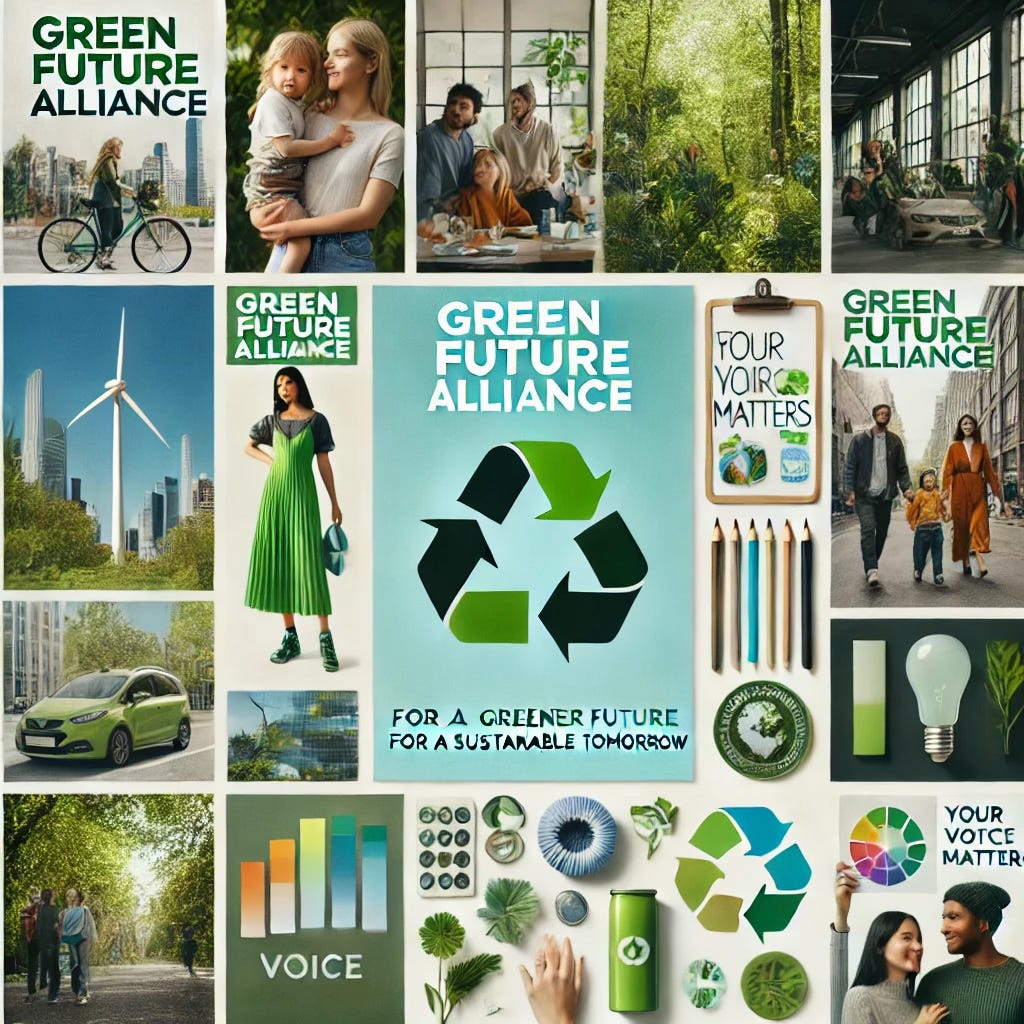
Often, it’s easier to convey what we have in mind with visuals. It can help the creative team get a head start.
Can you produce a mood board to support this campaign, respecting our brand guidelines?
Here’s what I got. Of course, you could work with ChatGPT to refine this to match what you have in mind, providing greater specificity with each follow-up prompt:
Follow these steps, and you’ve got yourself an exceptionally thoughtful creative brief.
Here’s what I ended up with in my hypothetical scenario:
Sample Creative Brief
1. Project Overview
Primary Objective: The primary objective of this project for GreenFuture Alliance is to mobilize public and governmental support for the implementation of stricter environmental regulations to reduce carbon emissions by 40% over the next decade.
Client Description: GreenFuture Alliance is a coalition of environmental organizations, businesses committed to sustainable practices, and community groups. They represent a unified voice advocating for comprehensive policy changes to address climate change and promote sustainable development.
Key Deliverables:
Public Awareness Campaign: A series of online and offline advertisements to raise awareness about the importance of reducing carbon emissions.
Policy Proposal Document: A detailed document outlining the proposed regulations and their expected impact.
Stakeholder Engagement Plan: A strategy to engage with key stakeholders, including government officials, industry leaders, and the general public.
Social Media Strategy: An integrated approach to leverage social media platforms for maximum reach and engagement.
2. Target Audience
Primary Audience:
Environmentally Conscious Adults:
Age: 25-50
Demographics: Middle to upper-middle class, urban dwellers, educated, professionals or business owners.
Psychographics: Strongly value sustainability and environmental responsibility, active in community and social causes, politically engaged.
Behaviors: Regularly consume news and content related to environmental issues, participate in environmental events and initiatives, follow and engage with environmental organizations on social media.
Young Professionals:
Age: 25-35
Demographics: Recent graduates or early in their careers, typically working in fields such as technology, finance, education, and healthcare.
Psychographics: Progressive, tech-savvy, highly motivated by social and environmental causes, seek to align their personal and professional lives with their values.
Behaviors: Active on social media, attend networking and professional development events, support brands and organizations that demonstrate social responsibility.
Families:
Age: 30-45
Demographics: Parents with young children, dual-income households, suburban to urban residents.
Psychographics: Concerned about the future and well-being of their children, interested in creating a sustainable lifestyle, make purchasing decisions based on environmental impact.
Behaviors: Engage in family-oriented community activities, seek educational resources about sustainability, support local environmental initiatives.
Secondary Audience:
Policy Makers:
Role: Government officials, legislators, and regulatory bodies.
Demographics: Typically aged 35-60, diverse professional backgrounds in law, public policy, or environmental science.
Psychographics: Driven by public service, influenced by data and expert opinions, responsive to public advocacy and constituent concerns.
Behaviors: Regularly review policy proposals, attend public forums and industry conferences, engage with advocacy groups and think tanks.
Industry Leaders:
Role: CEOs, sustainability officers, and decision-makers in industries such as energy, manufacturing, and transportation.
Demographics: Typically aged 40-65, with significant experience in their respective fields.
Psychographics: Focused on balancing profitability with sustainability, open to innovative solutions that enhance corporate social responsibility.
Behaviors: Participate in industry associations and forums, prioritize strategic partnerships, influence corporate policy and public relations.
Community Influencers:
Role: Leaders in local organizations, educators, and activists.
Demographics: Aged 30-55, respected members of their communities with a strong local presence.
Psychographics: Highly motivated by social justice and environmental causes, often serve as opinion leaders and mobilizers within their communities.
Behaviors: Organize and participate in community events, engage with local media, actively promote sustainability initiatives.
Behavioral Insights:
Online Engagement: Both primary and secondary audiences frequently engage with online content related to environmental issues, participate in discussions on social media, and follow relevant hashtags and organizations.
Community Participation: They are active in community events, workshops, and forums that focus on environmental sustainability.
Content Consumption: They prefer content that is informative, inspirational, and actionable. Visual content such as infographics, videos, and interactive media are particularly effective.
Value-Driven Actions: Their purchasing decisions and support for organizations are strongly influenced by the alignment of those entities with their environmental values and goals.
3. Objectives and Goals
Specific Goals:
Achieve a 50% increase in public awareness about the proposed regulations within six months.
Secure endorsements from at least 20 key industry leaders and policymakers.
Increase GreenFuture Alliance’s social media following by 30% to amplify advocacy efforts.
Success Metrics:
Public awareness levels (measured through surveys and social media engagement).
Number of endorsements and public statements of support.
Growth in social media metrics and website traffic.
Secondary Objectives:
Foster a sense of community and shared purpose among environmentally conscious individuals and groups.
Encourage grassroots activism and participation in advocacy efforts.
4. Key Messages
Main Message: "Together, we can secure a sustainable future for our children and our planet by taking decisive action to reduce our carbon footprint and support stronger environmental regulations."
Supporting Messages:
Environmentally Conscious Adults:
"Your commitment to sustainability can create a ripple effect that benefits the entire community. By supporting stricter environmental regulations, you're helping to build a healthier, greener world for everyone."
"Climate change impacts us all, but together, we can drive meaningful change. Every small step towards reducing carbon emissions contributes to a larger, collective effort."
Young Professionals:
"As the leaders of tomorrow, your voice and actions matter. Embrace sustainable practices and advocate for policies that reflect your commitment to a greener future."
"Your passion for change can inspire others. Join us in advocating for environmental regulations that will protect our planet for generations to come."
Families:
"Protecting the environment is one of the greatest gifts we can give to our children. Let's ensure a safe and sustainable world for them by supporting effective carbon reduction policies."
"Every family has the power to make a difference. Together, we can create a legacy of sustainability and responsibility that our children will be proud of."
Policy Makers:
"Your leadership is crucial in the fight against climate change. By supporting stricter environmental regulations, you are safeguarding the health and prosperity of your constituents."
"Collaborate with us to implement policies that reflect the urgent need for sustainability and demonstrate your commitment to a resilient, green future."
Industry Leaders:
"Sustainability is not just good for the planet; it's good for business. By championing stricter environmental regulations, you can lead your industry towards a more sustainable and profitable future."
"Join the movement towards a greener economy. Your support for robust environmental policies can drive innovation and set a powerful example for others to follow."
Community Influencers:
"As a trusted voice in your community, you have the power to inspire change. Advocate for stronger environmental regulations and encourage others to join the fight against climate change."
"Your leadership can mobilize the community towards a shared goal of sustainability. Together, we can achieve significant reductions in carbon emissions and protect our local environment."
Tone and Style:
Hopeful and Empowering: Emphasize the positive impact that collective action can have on the environment and future generations.
Urgent and Motivational: Highlight the immediate need for action while inspiring confidence in the audience's ability to effect change.
Empathetic and Inclusive: Address the audience's values and concerns, making them feel understood and involved in the solution.
Action-Oriented: Encourage practical steps and active participation in advocacy and sustainable practices.
5. Creative Requirements
Mandatory Elements:
GreenFuture Alliance logo and tagline: "For a Sustainable Tomorrow."
Consistent use of brand colors: green, blue, and white.
Inclusion of statistical data and research findings to support claims.
Formats and Sizes:
Social media graphics (1080x1080px for posts, 1080x1920px for stories).
Printable posters and flyers (A4 size).
Web banners and infographics.
Budget and Timeline:
Budget: $150,000
Timeline: 6 months from project initiation to campaign launch.
6. Brand Guidelines
Brand Guidelines:
Maintain a consistent visual identity across all platforms.
Use eco-friendly and sustainable themes.
Avoid fear-based messaging; focus on positive, action-oriented language.
Do's and Don'ts:
Do: Highlight success stories and positive impacts.
Don't: Use overly technical jargon or negative imagery.
Brand Positioning: GreenFuture Alliance should be positioned as a leader in environmental advocacy, representing a credible and authoritative voice on climate change issues.
7. Competitive Landscape
Main Competitors:
Other environmental NGOs like EarthGuard and ClimateAction Network.
Corporate sustainability initiatives from large corporations.
Differentiation: GreenFuture Alliance differentiates itself through a unique coalition of diverse stakeholders, including businesses and community groups, providing a broader base of support.
Industry Trends:
Increasing public demand for corporate social responsibility.
Growing emphasis on sustainable business practices and green technologies.
8. Key Stakeholders
Key Stakeholders:
Internal team members: project managers, marketing team, policy experts.
External partners: collaborating NGOs, supportive businesses, community leaders.
Government officials and policymakers.
Stakeholder Expectations:
Clear communication of goals and progress.
Regular updates and opportunities for feedback.
Addressing any concerns promptly and transparently.
9. Distribution and Media Strategy
Channels:
Social media platforms (Facebook, Twitter, Instagram, LinkedIn).
Traditional media (press releases, newspaper ads).
Community events and public forums.
Media Plan:
A mix of paid, earned, and owned media to maximize reach.
Key details include a schedule for content releases, target audiences for each channel, and KPIs for measuring success.
Content Optimization:
Tailor content to fit platform-specific requirements and audience behaviors.
Use A/B testing to refine messaging and visuals.
10. Approval Process
Approval Process:
Initial review by the internal project team.
Feedback and approval from GreenFuture Alliance’s board of directors.
Final sign-off from the campaign director.
Checkpoints:
Weekly progress meetings.
Milestone reviews at the end of each campaign phase.
11. Additional Resources
Resources Available:
Previous successful campaigns by GreenFuture Alliance.
Access to a library of research reports and environmental studies.
Creative templates and brand assets.
Inspiration:
Case studies of impactful environmental campaigns by other organizations.
Visual and thematic references from successful sustainability initiatives.
12. Risk and Contingency Planning
Potential Risks:
Public backlash against perceived regulatory overreach.
Insufficient stakeholder engagement or support.
Mitigation Strategies:
Conduct thorough stakeholder analysis and engagement.
Develop clear, transparent communication strategies.
Contingency Plan:
Prepare alternative messaging strategies.
Have a crisis communication plan in place.
13. Client’s Vision
Client’s Vision: GreenFuture Alliance envisions a future where sustainable practices are the norm and policy changes drive significant reductions in carbon emissions.
Larger Strategy: This project fits into their long-term goal of influencing national and global environmental policies and building a robust network of supporters.
Inspirations:
Successful advocacy efforts like the Paris Agreement campaign.
Grassroots movements that have led to significant policy changes.
14. Creative Freedom
Creative Freedom:
High level of creative freedom, with a strong emphasis on innovative and impactful approaches.
Encourage exploring new ideas, but ensure alignment with core messages and brand identity.
Innovation vs. Conservatism:
Be innovative in messaging and visuals but conservative in representing data and research to maintain credibility.
Openness to Ideas: The client is open to new concepts and approaches, provided they align with the overall campaign objectives and values.
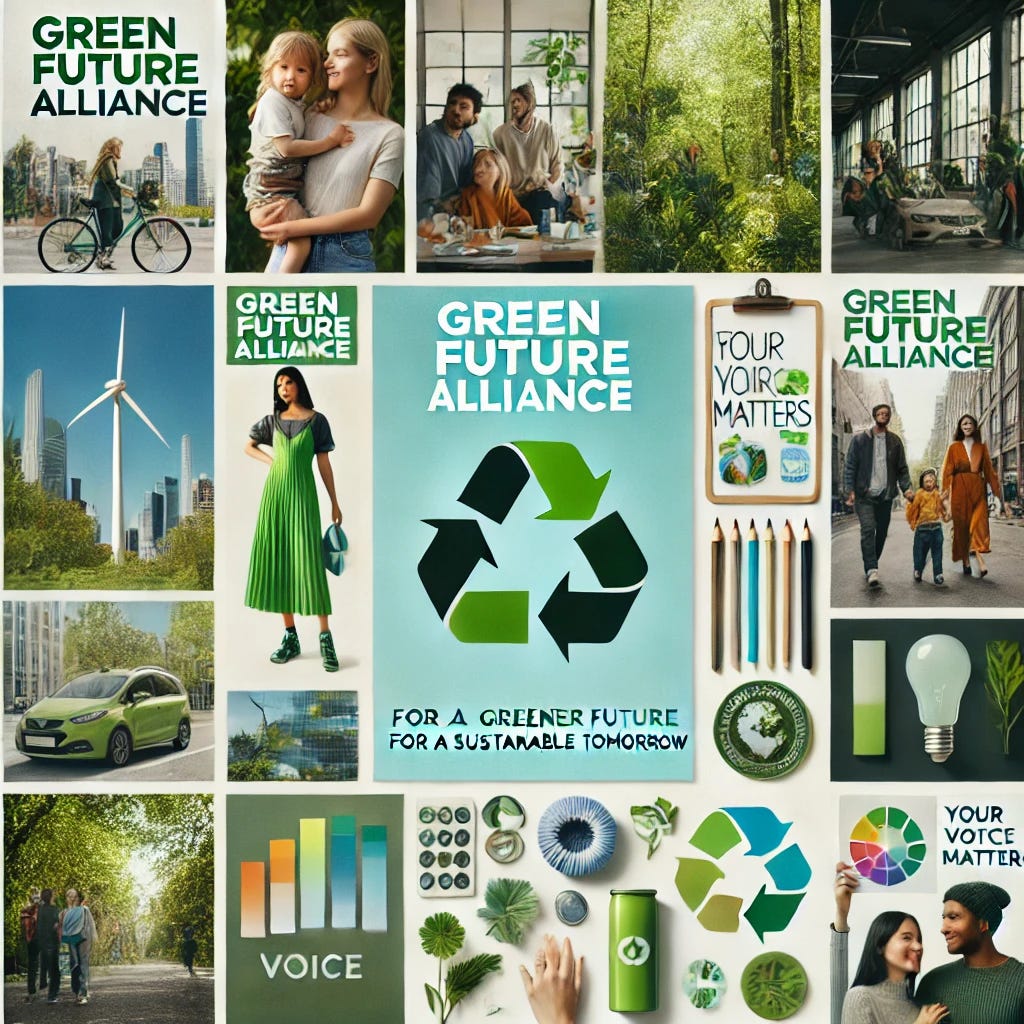
Sample Mood Board:
15. Reporting and Feedback
Progress Reporting:
Bi-weekly progress reports to the client.
Use of project management tools like Asana or Trello for tracking tasks and milestones.
Feedback Frequency:
Regular feedback sessions after each major deliverable.
Quick response loop for minor adjustments and suggestions.
Communication Tools:
Email and video conferencing for regular updates.
Shared project management platforms for real-time collaboration.
Megaprompt Template
Here are the project details:

1. Primary Objective:
The primary objective of this project for "[organization]" is to [insert objective].

Client Description:
[Explain the client or organization in one paragraph]

2. Client Deliverables:

1. [deliverable]
2. [deliverable]
3. [deliverable]
4. [deliverable]

Target Audience:
- Primary Audience: [explain]
- Secondary Audience: [explain].
- Behavioural Insights: [explain]

3. Objectives and Goals:

Specific Goals:

- [goal]
- [goal]
- [goal]

Success Metrics:

- [metric]
- [metric]
- [metric]

Secondary Objectives:

- [secondary objective]
- [secondary objective]

4. Key Messages:

Main Message:
"[your key message]"

Supporting Messages:

- "[your supporting message]"
- "[your supporting message]"
- "[your supporting message]"

Tone and Style:
[explain].

5. Creative Requirements
Mandatory Elements:

[explain]

Formats and Sizes:

[outline formats]

Budget: [price]
Timeline: [explain]

6. Brand Guidelines
Brand Guidelines:

[explain]

Do's and Don'ts:

Do: [this]
Don't: [do this]

Brand Positioning:
[explain how the campaign or brand should be positioned in the marketplace]

7. Competitive Landscape
Main Competitors:

- [competitor]
- [competitor]

Differentiation:
[explain what makes the organization or campaign different]

Industry Trends:

[list relevant trends]

8. Key Stakeholders
Key Stakeholders:

Internal team members: [explain]
[external stakeholder]
[external stakeholder]
[external stakeholder]

Stakeholder Expectations:

[explain expectations for each stakeholder group]

9. Distribution and Media Strategy
Channels:

[list channels]

Media Plan:

[provide media plan details]

Content Optimization:

[explain how you will optimize content]

10. Approval Process
Approval Process:

Initial review by [this team/person]
Feedback and approval from [this team/person].
Final sign-off from [this team/person].

Checkpoints:

[checkpoint]
[checkpoint]

11. Additional Resources
Resources Available:

[other resources for review]

Inspiration:

[where and what to look at for inspiration]

12. Risk and Contingency Planning
Potential Risks:

[risk]
[risk]

Mitigation Strategies:

[mitigation strategy]
[mitigation strategy]

Contingency Plan:

[plan details]


13. Client’s Vision
Client’s Vision:
[Zoom out. What is the client or organization's vision]

Larger Strategy:
[how does this project support the vision?]

Inspirations:

[other projects or campaigns to get inspired by]

14. Creative Freedom
Creative Freedom:

[how creative can the creative team get?]

Innovation vs. Conservatism:

[what balance do we need to strike?]

Openness to Ideas:
[How open to new ideas is the team?].

15. Reporting and Feedback
Progress Reporting:

[explain reporting and feedback mechanisms]

Feedback Frequency:

[How often will you provide feedback?]

Communication Tools:

[How will you collaborate?]